

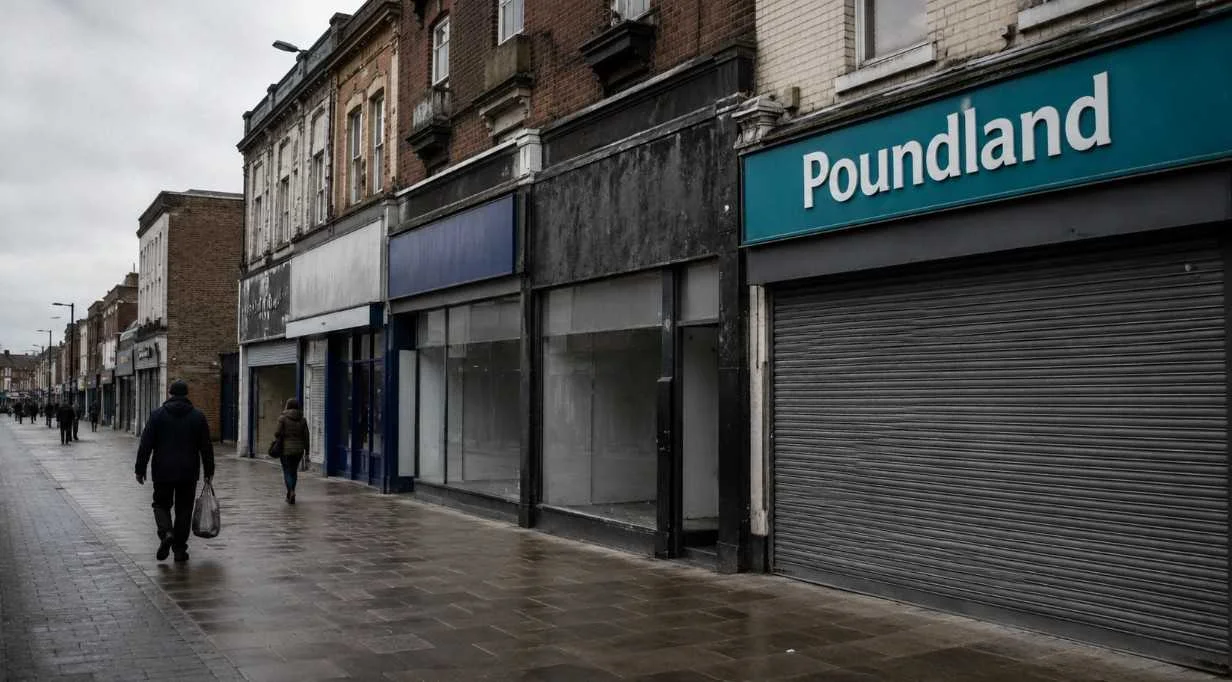
Poundland is closing more than 100 stores across the UK by early 2026 as part of a major restructuring programme aimed at cutting costs and improving long-term profitability.
The discount retailer has already confirmed dozens of closures affecting locations in England, Scotland, Wales, and Northern Ireland, with further changes expected as the company focuses on stronger-performing branches.
Rising operational costs, lease expirations, and changing consumer shopping habits are among the key reasons behind the decision.
Key Takeaways:
- Poundland plans to reduce its store count from around 800 to between 650 and 700
- More than 100 UK stores are scheduled to close by 2026
- Clearance sales of up to 40% are available in affected branches
- Rising retail costs and lower-performing stores drove the restructuring
- Customers and local high streets could face a significant impact from the closures
Why Is Poundland Closing Over 100 Stores Across the UK?
Poundland’s decision to close more than 100 stores is part of a wider restructuring strategy designed to strengthen the business for the future. The retailer has been under increasing pressure due to rising operational expenses, lower consumer spending, and ongoing challenges affecting the UK retail sector.
Rising Costs and Retail Pressure
Like many high street retailers, Poundland has faced higher energy bills, wage increases, transportation costs, and inflation-related pressures. These factors have significantly reduced profit margins, especially in stores with lower customer traffic.
The retail industry has also seen changing consumer behaviour, with more shoppers turning to online marketplaces and discount supermarkets for everyday essentials. This shift has made it more difficult for some physical stores to remain profitable.
A UK retail consultant explained the situation from industry experience: “Many discount chains expanded rapidly over the last decade, but the market has changed dramatically since then. Retailers now have to focus on sustainable locations rather than simply having the largest number of stores.”
Lease Expirations and Landlord Decisions
Some Poundland branches are closing because landlords have decided not to renew leases. According to the company, several stores currently clearing stock were affected by retail property agreements coming to an end.
This has become increasingly common across the UK, particularly in shopping centres and town centres where commercial property owners are reassessing tenant arrangements.
Focus on Profitable Store Locations
Poundland confirmed that many of the closures involve stores considered among the least profitable within the chain. The company expects its overall estate to reduce from around 800 stores to between 650 and 700 once the restructuring programme is completed.
Although the closures are significant, Poundland has stated that it will continue operating hundreds of stores nationwide.
Which Poundland Stores Are Closing Before 2026?
Poundland has released several lists of stores scheduled to close between December and February. The closures affect multiple regions across the UK.
Newly Announced Store Closures
The latest locations confirmed for closure include:
| Store Location | Closure Date |
| Lancaster, Lancashire | December 19 |
| Northampton Sixfields | December 31 |
| Weston-Super-Mare | December 24 |
| Hammersmith, London | December 24 |
| Prestatyn, Denbighshire | December 31 |
| Faversham, Kent | January 6 |
| Liverpool | January 15 |
| Yeovil, Somerset | January 16 |
| Nottingham Eastpoint | January 22 |
| Lymington, Hampshire | January 23 |
| Christchurch High Street | January 23 |
| Bristol Avon Meads | January 29 |
| Winton, Dorset | February 6 |
| Coatbridge, Scotland | February 8 |
Stores Previously Scheduled to Shut
Additional stores that remain scheduled for closure include locations in:
- Arnold
- Worthing
- Droitwich
- Ballymena
- Oldham
- Portishead
- Grantham
- Farnham
- Brighton
- Bexhill
- Mitcham
- Edinburgh
- Kilmarnock
The closures stretch across England, Scotland, Wales, and Northern Ireland, highlighting the scale of the restructuring programme.
How Many Poundland Stores Will Remain After the Restructuring?
Before the restructuring began, Poundland operated approximately 800 stores across the UK. Once all planned closures are completed, the retailer expects to operate between 650 and 700 branches.
This means Poundland will still maintain a large presence on the UK high street despite the reduction in store numbers.
Industry experts believe the company is attempting to create a leaner business model focused on stronger-performing locations. Rather than completely withdrawing from the market, Poundland appears to be concentrating resources on stores with consistent customer demand and better long-term profitability.
What Has Poundland Said About the Latest Store Closures?
Poundland says it understands the disappointment customers may feel when local stores close. Darren MacDonald, Poundland’s UK country manager, said the company wanted to leave affected communities “with pride” by offering additional discounts before closures take place.
The retailer has launched clearance sales across affected stores, with reductions of up to 40 per cent on selected products. These discounts cover categories including groceries, homeware, clothing, and beauty products.
A retail employee familiar with customer behaviour described the atmosphere in some branches: “People are disappointed because Poundland is often part of their weekly shopping routine. In smaller towns especially, budget retailers play an important role for families trying to manage everyday costs.”
Despite the closures, Poundland has encouraged customers to continue shopping at nearby branches that will remain open.
How Are Customers Reacting to Poundland Store Closures?
Customer reactions have been mixed, although many shoppers have expressed concern about losing affordable shopping options in their local communities.
For many households, Poundland provides access to lower-cost essentials at a time when living expenses remain high. The closures may particularly affect residents in smaller towns where alternative discount retailers are limited.
Some customers have also raised concerns about the impact on employees and local high streets. Retail closures can reduce foot traffic in town centres, affecting nearby businesses and contributing to rising vacancy rates.
At the same time, some shoppers understand the financial challenges facing retailers. Rising inflation and changing shopping habits have forced many businesses to rethink how they operate.
What Discounts and Clearance Sales Are Available in Closing Stores?
Poundland has introduced major clearance events in stores preparing to close. Customers can currently find discounts of up to 40 per cent on selected products.
Products Included in the Clearance Offers
Discounts are available across several categories, including:
- Household goods
- Beauty products
- Seasonal items
- Groceries
- Clothing
- Kitchen accessories
Many customers have visited closing stores to take advantage of reduced prices before final trading dates.
How Long Are the Discounts Expected to Last?
The clearance sales are expected to continue until individual stores officially shut their doors. However, product availability may vary depending on stock levels and customer demand.
Shoppers are being encouraged to visit stores early, as some heavily discounted items may sell out quickly.
What Do Poundland Store Closures Mean for UK High Streets?
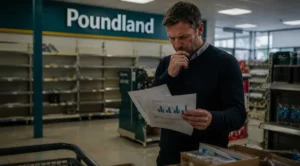
The Poundland closures reflect wider challenges facing the UK high street in 2026. Over the past few years, several major retailers have reduced store numbers due to declining footfall and rising operational costs.
Town centres continue to face pressure from online shopping, changing consumer habits, and increased business expenses. Discount retailers have traditionally performed well during economic uncertainty, but even budget chains are now experiencing financial strain.
Retail analysts believe the situation highlights the need for businesses to adapt quickly to changing market conditions. Many retailers are now investing more heavily in online sales, smaller store formats, and targeted location strategies.
The closures may also affect employment in certain areas, particularly where alternative retail jobs are limited.
Is Poundland Facing Financial Difficulties in 2026?
Poundland has not announced plans to shut down completely, but the scale of the closures suggests the business is under significant financial pressure.
The company’s restructuring efforts appear aimed at improving long-term stability rather than exiting the UK market entirely. By closing weaker-performing stores, Poundland hopes to reduce costs and focus on profitable branches.
Retail experts say many businesses are making similar decisions across the sector. Inflation, higher wages, and changing consumer behaviour have forced retailers to review store performance more closely than ever before.
While the future remains uncertain, Poundland still plans to maintain hundreds of stores throughout the UK.
Could More Poundland Stores Close in the Future?

Further closures cannot be ruled out. The retail market remains unpredictable, and businesses continue to face economic uncertainty.
If trading conditions worsen or additional stores become unprofitable, Poundland may decide to review more locations in the future. However, the company has not confirmed any additional closure plans beyond the current restructuring programme.
Much will depend on consumer spending patterns, inflation levels, and the broader performance of the UK economy over the next year.
What Alternatives Do Shoppers Have if Their Local Poundland Closes?
Customers affected by the closures may begin shopping at other discount retailers or online platforms offering similar low-cost products.
Other Discount Retailers in the UK
Popular alternatives include:
- B&M
- Home Bargains
- The Range
- Aldi
- Lidl
These retailers continue expanding across the UK and attract shoppers looking for affordable household essentials.
Online Bargain Shopping Options
Some consumers are also turning to online marketplaces for discounted products, particularly for homeware and beauty items. Online shopping has become increasingly popular due to convenience and wider product availability.
However, many customers still value physical discount stores because they allow people to compare prices directly and avoid delivery charges.
Conclusion
Poundland’s decision to close over 100 stores by 2026 marks one of the retailer’s biggest restructuring efforts in recent years. The closures highlight the growing challenges facing UK retailers as rising costs, online competition, and changing shopping habits continue to reshape the high street.
Although many communities will lose local branches, Poundland insists it remains committed to operating hundreds of stores across the country. Clearance sales and restructuring measures are part of the company’s attempt to create a more sustainable business model for the future.
The coming months will be important for the retailer as it works to balance profitability with customer demand in an increasingly competitive retail market.
FAQ
Why is Poundland closing so many stores in 2026?
Poundland is closing stores due to rising operational costs, changing shopping habits, lease issues, and efforts to improve profitability through restructuring.
Will Poundland shut down completely in the UK?
No, Poundland has not announced plans to leave the UK market completely. The company expects to continue operating between 650 and 700 stores.
Which regions are most affected by Poundland closures?
Closures have been announced across England, Scotland, Wales, and Northern Ireland, affecting both large cities and smaller towns.
Are Poundland employees losing their jobs?
Some jobs may be affected as stores close, although Poundland has not confirmed exact figures regarding staff redundancies.
Are clearance sales available in all closing stores?
Most affected stores are running clearance events with discounts on selected products while stock lasts.
How many Poundland stores will remain open after restructuring?
The retailer expects to operate approximately 650 to 700 stores once the restructuring programme is complete.
What caused the decline in UK discount retail stores?
Higher costs, online competition, inflation, and changing consumer behaviour have contributed to pressure on discount retailers across the UK.