

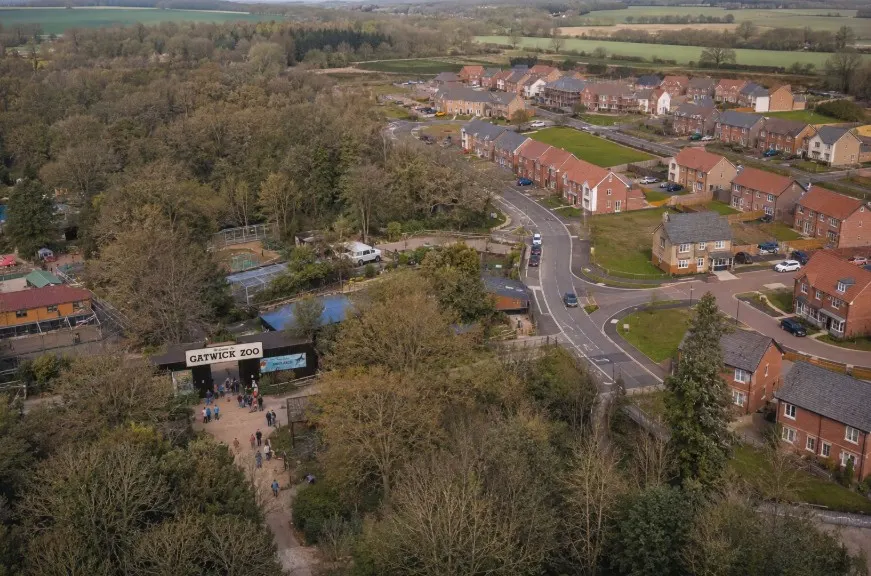
Gatwick Zoo closed in September 2002 after 29 years as a family attraction in Charlwood, Surrey. The main reason was the retirement of owners Terry and Sheila Thorpe, alongside falling visitor numbers, operational pressures and disruption linked to the 2001 foot-and-mouth outbreak. The former 11.4-acre zoo, once home to around 900 birds and mammals, was later redeveloped into housing.
Key highlights:
- Gatwick Zoo opened in 1973 and closed in 2002.
- It welcomed around 70,000 visitors a year at its peak.
- Animals were relocated to respected UK facilities.
- The site became a residential development.
Why Did Gatwick Zoo Closed After 29 Years?
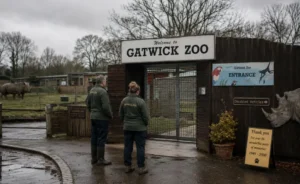
Gatwick Zoo closed after nearly three decades because its owners, Terry and Sheila Thorpe, decided it was time to retire. What began as a personal hobby had grown into a demanding public attraction, requiring daily animal care, visitor management, maintenance and compliance with changing standards.
The decision was not presented as a sudden collapse. Instead, it reflected the realities of running a zoo over many years. Visitor numbers had reportedly declined from the attraction’s peak, when around 70,000 people visited annually.
The poor summer of 2001, affected by the foot-and-mouth disease outbreak, also created pressure for visitor attractions across the country.
“I have to say that I thought the planning department at Mole Valley were magnificent throughout. They couldn’t have been more helpful.” – Mr Thorpe
That statement shows the closure was closely linked not only to retirement, but also to the complex process of moving the site into its next phase.
What Was Gatwick Zoo Like Before It Closed?
Before Gatwick Zoo closed, it was a familiar family destination in Charlwood, Surrey. Covering around 11.4 acres, the attraction gave visitors the chance to see birds and mammals from different parts of the world without travelling far from home.
At its height, the zoo was home to roughly 900 birds and mammals. It became especially memorable for families, school groups and local residents who visited during childhood and returned with their own children later.
Zoo Snapshot:
| Feature | Detail |
| Location | Charlwood, Surrey |
| Opening year | 1973 |
| Closure date | September 2002 |
| Site size | Around 11.4 acres |
| Animal collection | Approximately 900 birds and mammals |
| Peak visitors | Around 70,000 annually |
| Later use | Residential housing |
These details explain why searches for gatwick zoo closed still attract interest: the story is both local history and a reminder of how much visitor attractions can shape community memory.
A Family Hobby That Became a Local Wildlife Attraction
Gatwick Zoo began as a hobby for Terry and Sheila Thorpe before developing into a recognised public attraction. Over time, the zoo became more than a private passion; it turned into a business that required long-term commitment.
“When a private animal collection becomes a public attraction, the responsibility grows from care and display into welfare, education, visitor safety and regulatory compliance.” – Zoo Management
That growth helped make Gatwick Zoo popular, but it also increased the pressure on its owners as they approached retirement.
What Is the Complete Timeline of Gatwick Zoo’s 29-Year History?
The Gatwick Zoo story is easier to understand through its timeline. It shows how the site moved from opening and expansion to closure and redevelopment.
Timeline of Gatwick Zoo:
| Year / Period | Event | Why It Matters |
| 1973 | Gatwick Zoo opened | Start of its public history |
| 1970s–1980s | The zoo grew as a family attraction | Built local recognition |
| 1990s | Species were added from Windsor Safari Park | Expanded the animal collection |
| Peak years | Around 70,000 annual visitors | Shows its popularity |
| 2001 | Foot-and-mouth outbreak affected the season | Added pressure before closure |
| September 2002 | Gatwick Zoo closed | End of 29 years of operation |
| After closure | Animals were relocated | Welfare transition began |
| Later years | Site redeveloped into housing | New beginning for the land |
The timeline highlights that Gatwick Zoo’s closure was not just an ending. It was part of a wider transition involving animal relocation, planning approval and a new future for the land.
What Happened to the Animals After Gatwick Zoo Closed?
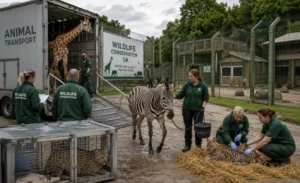
When Gatwick Zoo closed, its animal collection had to be carefully rehomed. Around 900 birds and mammals were reportedly moved to respected UK facilities, including Chessington Zoo, Colchester Zoo and Edinburgh Zoo.
The relocation process mattered because animal welfare could not stop when the public gates closed. Each animal needed an appropriate destination, suitable accommodation and proper continuity of care.
Key relocation considerations:
- Species-appropriate housing at the receiving facility.
- Safe transport and handling.
- Veterinary supervision where required.
- Records and transfer documentation.
- Long-term welfare planning.
“The closure of a zoo is not complete when visitors leave; it is complete only when every animal has been transferred into safe, suitable and accountable care.” – A professional animal-welfare insight
This is one of the most important parts of the Gatwick Zoo closure story because it answers a major public concern: what happened to the animals?
What Replaced Gatwick Zoo After Its Closure?
After Gatwick Zoo closed, the site was eventually transformed into a housing estate. This change was significant because the former zoo land sat within the Green Belt, meaning redevelopment was not straightforward.
The Secretary of State decided that special circumstances existed to allow 17 homes to be built on part of the land. This decision followed planning scrutiny and local discussion, including concerns about traffic and community impact.
The development reportedly included smaller and affordable homes, marking a major shift in the land’s purpose. What had once been a public wildlife attraction became a residential community.
In planning terms, the Gatwick Zoo site shows how former leisure land can enter a new life when owners retire, visitor use ends and local housing need becomes part of the discussion.
How Did the Redevelopment Change the Charlwood Landscape?
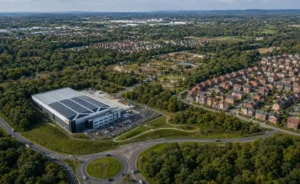
The redevelopment of the former zoo site significantly changed the local landscape by transforming a long-standing visitor attraction into residential housing. For many residents, this meant the loss of a familiar family destination while introducing a new purpose for land that once supported tourism and leisure activities.
Key Changes Following Redevelopment:
- Land Use Change: Shift from tourism and leisure use to residential development.
- Traffic Considerations: Increased attention on road access and local traffic impact.
- Public Debate: Ongoing discussions around planning decisions and land use priorities.
- Community Impact: Loss of a well-known local attraction for families and visitors.
- Housing Development: Creation of new homes on the former attraction site.
Redevelopment projects like this often involve balancing housing demand, local character, and planning concerns. This balance helps explain why the former site looks very different today.
What Is Gatwick Zoo’s Lasting Legacy and What Can Visitors Learn Today?
Gatwick Zoo’s lasting legacy comes from the memories it created. For many people, it was not just a zoo; it was part of childhood, family weekends and local life in Surrey.
The fact that people still search for Gatwick Zoo years after it closed shows how strongly local attractions can remain in public memory.
The zoo also reflects wider lessons about running animal attractions. Visitor numbers, owner succession, animal welfare, regulation, planning and long-term financial sustainability all matter. When any of these become difficult, even well-loved places can face closure.
Why Gatwick Zoo Remains Part of Local History
Gatwick Zoo remains part of local history because it gave generations of visitors direct access to wildlife close to home. Its 29-year run left behind stories, photographs and memories that continue to circulate.
It also forms part of Charlwood’s changing landscape. The site’s journey from zoo to housing estate captures the way communities evolve over time.
New Beginnings: From Wildlife Attraction to Residential Community
The phrase “new beginnings” is important because the Gatwick Zoo story did not end with closure. The animals moved on to other collections, the owners entered retirement, and the land began a different chapter as housing.
For some, the change may still feel like the loss of a treasured place. For others, the redevelopment represents practical reuse of land after the zoo had reached the end of its working life. Both views are part of the full story.
Conclusion
Gatwick Zoo closed in September 2002 after 29 years of family visits, wildlife encounters and local memories. Its closure followed owner retirement, falling visitor numbers and growing operational pressures.
The animals were relocated, and the Charlwood site later became housing. Although the zoo has gone, its history continues through community memory, planning discussions and the new beginning created on the former site.
Frequently Asked Questions
Was Gatwick Zoo near Gatwick Airport?
Yes. Gatwick Zoo was located in Charlwood, Surrey, close to the Gatwick area, which helped make it accessible for local families and visitors.
How large was Gatwick Zoo?
Gatwick Zoo covered around 11.4 acres before it closed.
Did Gatwick Zoo acquire animals from Windsor Safari Park?
Yes. During the 1990s, Gatwick Zoo reportedly added some species from the former Windsor Safari Park.
Where were Gatwick Zoo’s animals relocated?
Animals were moved to respected UK facilities, including Chessington Zoo, Colchester Zoo and Edinburgh Zoo.
How many visitors did Gatwick Zoo attract each year?
At its peak, Gatwick Zoo is believed to have attracted around 70,000 visitors annually.
What is located on the former Gatwick Zoo site today?
The former Gatwick Zoo site was redeveloped into a residential housing estate.
Why is Gatwick Zoo still remembered by local residents?
It is remembered because it was a popular family attraction where many people created childhood memories and experienced wildlife close to home.