

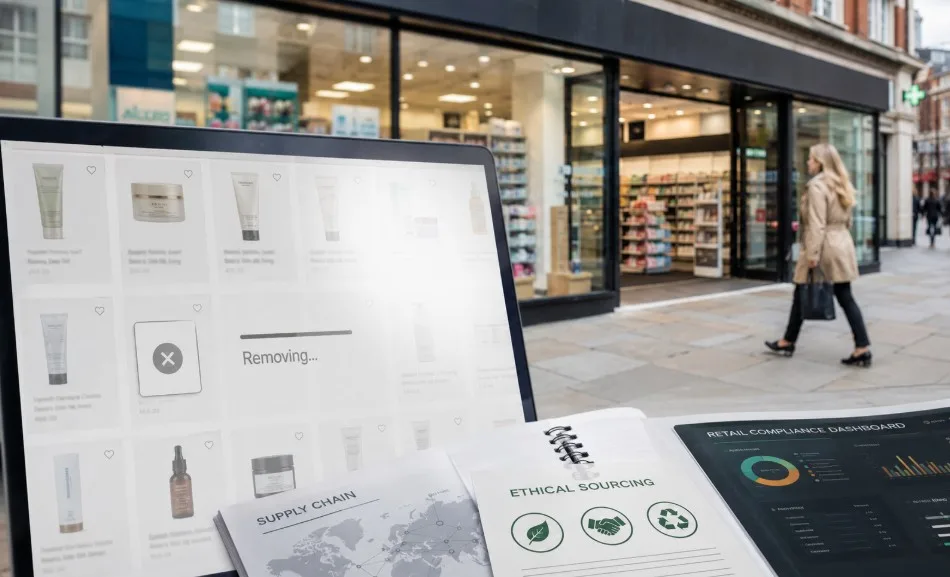
Superdrug has removed AHAVA products from its online marketplace and blocked future listings after concerns were raised about the skincare brand’s alleged links to activities at an Israeli settlement in the West Bank.
The decision follows the publication of images reportedly showing materials that researchers believe may be connected to AHAVA’s supply chain.
Key Points:
- Superdrug removed AHAVA products and blocked future marketplace listings.
- Concerns relate to alleged activity at the Mitzpe Shalem settlement in the West Bank.
- AHAVA denies operating a production facility at the site.
- The products were sold through a third-party marketplace seller, not directly by Superdrug.
- The development has reignited debate around ethical sourcing, settlement trade, and retailer responsibility in the UK.
Why Did Superdrug Remove AHAVA Products from Its Online Marketplace?
The decision that led to Superdrug removes AHAVA products headlines across the UK stemmed from concerns raised following the publication of images reportedly showing materials associated with cosmetic production at a site in Mitzpe Shalem, an Israeli settlement near the Dead Sea.
According to reports, researchers from the American Friends Service Committee (AFSC) shared photographs that appeared to show chemical containers carrying dates from 2025 and 2026, alongside large mounds of earth believed to be Dead Sea mud.
After being alerted to the information, Superdrug acted by removing the products and implementing measures designed to stop future listings.
A Superdrug spokesperson stated:
“We have now removed the SKU and implemented additional system actions that will block and prevent any future listings of this brand from all sellers.”
The retailer’s response reflects a broader trend among UK businesses that are increasingly reviewing supplier relationships when concerns emerge regarding sourcing, compliance, or reputational risk.
What Are the Settlement Concerns Linked to AHAVA Skincare?
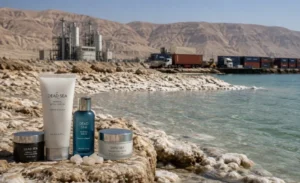
AHAVA has faced scrutiny for many years because of its historical association with Mitzpe Shalem, an Israeli settlement located in the West Bank near the Dead Sea.
The issue remains politically and legally sensitive because the UK government and much of the international community consider Israeli settlements in occupied territories to be contrary to international law, while Israel disputes this interpretation.
Mitzpe Shalem and the Dead Sea Connection
The recent controversy centres on images reportedly taken at a site linked to Mitzpe Shalem. Researchers claim the photographs show materials that may be connected to AHAVA’s cosmetic ingredient processing activities.
The allegations focus on:
- Chemical containers carrying recent production or receipt dates.
- Large quantities of earth believed to be Dead Sea mud.
- Evidence suggesting continued operational activity at the location.
Supporters of increased scrutiny argue that commercial activity connected to settlements raises ethical and legal concerns regarding international trade and human rights.
What AHAVA Says About Its Current Operations?
AHAVA has strongly rejected claims that it currently operates a production facility within the settlement.
The company has stated that:
- Production activities were consolidated within internationally recognised Israeli territory by 2022.
- The site referenced in reports is owned by a kibbutz rather than AHAVA.
- Raw materials used in products originate from what the company describes as undisputed Israeli territory.
AHAVA Chief Executive Ron Michael said:
“We remain committed to transparency, compliance, environmental responsibility, and respectful dialogue.”
The company has also challenged its inclusion in a United Nations database of businesses linked to settlement-related activities, arguing that the listing does not reflect its current operational structure.
How Were AHAVA Products Being Sold Through Superdrug?
One important aspect often overlooked in discussions is that AHAVA products were not being sold directly by Superdrug. Instead, they were available through a third-party seller operating via the retailer’s marketplace platform.
Marketplace systems allow verified sellers to list products while benefiting from the retailer’s website traffic and customer reach. However, retailers still face reputational risks when controversial products appear on their platforms.
Marketplace Model Overview:
| Feature | Traditional Retail Stock | Marketplace Listing |
| Product Ownership | Retailer | Third-party seller |
| Inventory Control | Retailer manages stock | Seller manages stock |
| Product Listings | Controlled by retailer | Shared responsibility |
| Risk Exposure | Direct commercial risk | Reputational and compliance risk |
| Product Removal Process | Internal decision | Retailer can delist products |
This distinction helps explain why Superdrug could remove AHAVA products quickly once concerns were raised. The retailer’s actions focused on preventing future marketplace listings rather than withdrawing products from physical store shelves.
The case demonstrates how online marketplaces are becoming increasingly important areas for compliance and ethical sourcing reviews.
What Evidence Triggered Questions About AHAVA’s Supply Chain?

The evidence that prompted renewed attention largely originated from photographs and video material reportedly gathered by AFSC researchers in early 2026.
AFSC Images and 2025–2026 Product Dates
The images allegedly showed several indicators of ongoing activity at the Mitzpe Shalem location. These included containers bearing dates from 2025 and 2026 and materials believed to be used in skincare production.
Although the photographs generated significant interest, they do not independently prove the extent of any manufacturing activity. This distinction remains important because AHAVA disputes the conclusions drawn from the images.
Why Ingredient Sourcing Matters in Beauty Retail?
Modern consumers increasingly expect beauty brands to provide transparency regarding the origins of ingredients and manufacturing processes.
Supply chain transparency has become particularly important for:
- Natural skincare products
- Mineral-based cosmetics
- Products using geographically sourced ingredients
- Brands operating in politically sensitive regions
Supply Chain Scrutiny Factors:
| Area of Review | Why It Matters |
| Ingredient sourcing | Verifies ethical and legal origins |
| Manufacturing location | Supports transparency claims |
| Environmental practices | Addresses sustainability concerns |
| Human rights impact | Reduces reputational risk |
| Supplier auditing | Strengthens compliance processes |
As a result, retailers are paying closer attention to supplier disclosures and sourcing verification procedures than ever before.
How Does This Decision Fit into UK Rules on Israeli Settlement Trade?
The removal of AHAVA products comes amid wider discussions surrounding UK policy on trade involving Israeli settlements in the West Bank.
The UK government continues to oppose settlement expansion and maintains that settlements undermine efforts toward a two-state solution. At the same time, political debate continues regarding what practical measures should apply to goods connected to settlement activity.
Recent developments have included calls from parliamentary committees for stronger action regarding settlement-linked imports. The Foreign Affairs Committee has previously recommended restrictions on imports originating from settlements, while the Business and Trade Committee has requested greater clarity regarding government policy.
However, it is important to note that the AHAVA case does not involve a finding of legal wrongdoing by either Superdrug or AHAVA. Rather, it reflects the increasing importance of risk management, ethical considerations, and public scrutiny within retail supply chains.
What Does Superdrug’s AHAVA Removal Mean for UK Retailers and Consumers?

The decision offers an important example of how retailers are responding to evolving consumer expectations.
Modern consumers increasingly consider factors beyond product quality and price. Ethical sourcing, environmental responsibility, human rights considerations, and supply chain transparency all influence purchasing decisions.
For retailers, this means balancing commercial opportunities against potential reputational risks. Even when products are supplied through marketplace partners, public perception often associates those products directly with the host retailer.
The situation may encourage other businesses to strengthen supplier due diligence programmes and conduct more frequent reviews of marketplace listings.
Consumers, meanwhile, are likely to gain greater visibility into sourcing information as retailers seek to demonstrate transparency and accountability.
Could Other Beauty Retailers Face Similar Pressure Over Ethical Sourcing?
The AHAVA case highlights growing pressure on beauty retailers to prove their products are ethically sourced. As consumers become more aware of ingredient origins and manufacturing practices, brands face increased scrutiny over sustainability, labour standards, environmental impact, and supply chains.
Many experts believe ethical sourcing is becoming a standard expectation rather than a competitive advantage.
As a result, retailers are investing more in:
- Supplier verification systems
- Compliance monitoring
- Sustainability reporting
- Supply chain transparency
Superdrug’s decision may show how quickly retailers can respond when sourcing concerns emerge. As consumer awareness grows, beauty brands are likely to face increasing demands for transparency and accountability.
Conclusion
The decision by Superdrug to remove AHAVA products highlights the growing importance of supply chain transparency, ethical sourcing, and corporate responsibility within the retail sector.
While AHAVA maintains that its operations comply with applicable standards and denies current production links to the settlement site in question, the controversy has intensified scrutiny of how products are sourced and sold.
As consumer expectations continue to evolve, retailers are likely to place greater emphasis on due diligence, compliance reviews, and transparent sourcing practices
Frequently Asked Questions
Did Superdrug Sell AHAVA Products Directly?
No. The products were listed through a third-party seller operating on Superdrug’s online marketplace rather than being stocked directly by Superdrug.
Are AHAVA Products Still Available in the UK?
Yes. AHAVA products continue to be sold through various UK and international online retailers despite their removal from Superdrug’s marketplace.
What Is a Retail Marketplace Listing?
A marketplace listing allows third-party sellers to offer products through a retailer’s website while managing their own inventory and fulfilment processes.
What Does SKU Blocking Mean?
SKU blocking prevents specific products from being listed or sold through a retailer’s platform by restricting their stock keeping unit identifiers.
Why Are Dead Sea Skincare Products Controversial?
The controversy relates primarily to sourcing locations and alleged links between certain operations and disputed territories rather than the products themselves.
Has AHAVA Faced Protests in the UK Before?
Yes. AHAVA has previously been the subject of demonstrations in the UK, including protests connected to its former Covent Garden store.
What Should UK Consumers Look for in Ethical Skincare Brands?
Consumers should review ingredient sourcing information, transparency reports, sustainability commitments, independent certifications, and supply chain disclosures when evaluating ethical skincare brands.