

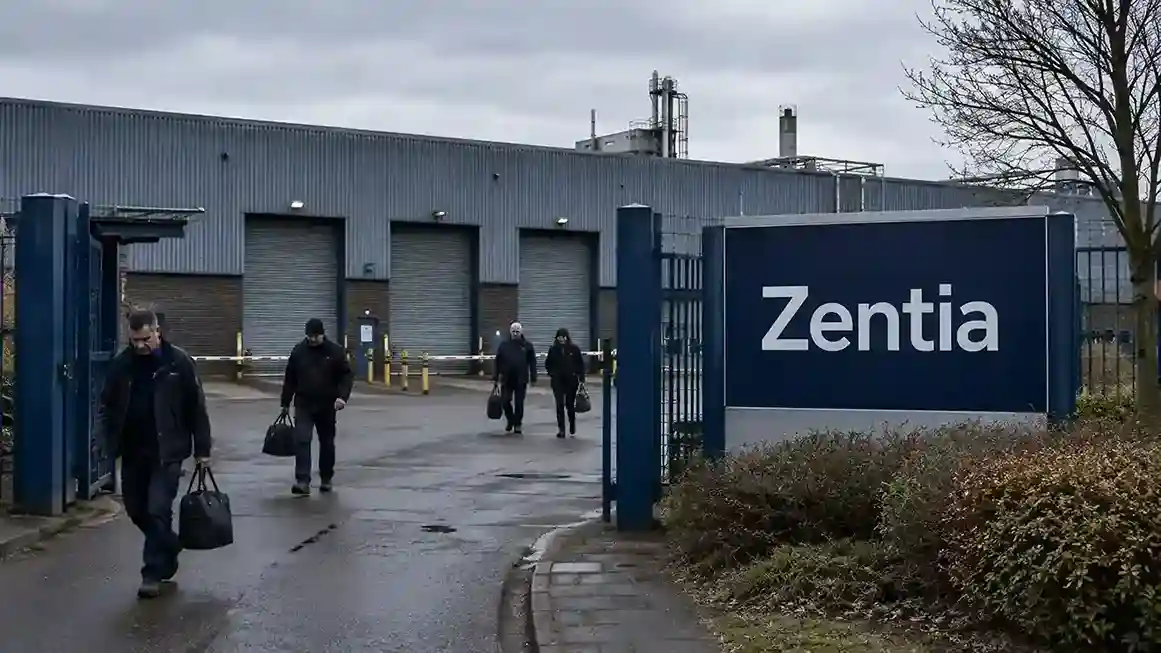
The Zentia construction company administration happened after the Gateshead-based acoustic ceiling manufacturer faced rising energy costs, weaker-than-forecast sales and no available solvent rescue option.
Zentia Limited and Zentia Profiles, with a combined turnover of more than £50m, entered administration with Interpath appointed as joint administrators. Production has stopped at the company’s two Gateshead sites, and 170 jobs have been lost.
Key takeaways:
- Zentia entered administration after severe trading pressure.
- High energy costs increased production expenses.
- Sales were lower than forecast.
- 170 employees have lost their jobs.
- Interpath is seeking a sale of the business, assets and residual stock.
What Happened In The Zentia Construction Company Administration?
Zentia Limited and Zentia Profiles have entered administration after a difficult period marked by rising energy costs, weaker-than-expected sales and pressure across the construction supply chain.
The Gateshead-based acoustic ceiling manufacturer had a combined turnover of more than £50m and was known for supplying ceiling systems used in commercial and construction projects across the UK.
The Zentia construction company administration has resulted in the loss of 170 jobs, with production ceasing at the company’s two Gateshead sites. Joint administrators Will Wright and James Lumb from Interpath were appointed to both businesses.
The companies manufactured complete acoustic ceiling solutions, including mineral ceiling tiles, suspension grids and floating ceiling systems. Their collapse highlights the financial strain affecting construction manufacturers, particularly those exposed to high production costs and changing market demand.
| Key Detail | Information |
| Companies Affected | Zentia Limited And Zentia Profiles |
| Location | Gateshead, North East England |
| Sector | Acoustic Ceiling Manufacturing |
| Combined Turnover | More Than £50m |
| Jobs Lost | 170 |
| Administrators | Will Wright And James Lumb, Interpath |
| Current Position | Production Ceased And Assets Being Marketed |
Why Did Zentia Go Into Administration?
Zentia entered administration because the business could not secure a solvent outcome after facing challenging trading conditions. According to the information available, high energy prices significantly affected production costs, while sales were lower than forecast.
Rising Energy Costs And Production Pressure
Manufacturers that rely on energy-intensive production processes have been under pressure for several years. For Zentia, increased energy costs raised the cost of making ceiling products, reducing the company’s ability to trade profitably.
This issue is especially serious in the building materials sector, where margins can be tight and customers may be sensitive to price rises. When energy bills increase sharply, manufacturers may struggle to pass every added cost on to contractors, distributors or end users.
Sales Lower Than Forecast
Zentia also suffered from sales that did not meet expectations. Lower sales can quickly weaken cash flow, especially when a company still needs to cover fixed costs such as wages, factory overheads, energy, materials, rent and logistics.
In a slower construction market, contractors may delay projects, reduce orders or switch to alternative suppliers. This can create a chain reaction for manufacturers supplying products into commercial buildings, refurbishments and fit-out projects.
Failed Attempts To Secure A Solvent Outcome
The directors had already taken steps to improve Zentia’s financial position. These included a £6.5m cash injection from the shareholder last year and later exploring sale options. However, no solvent outcome was available, leading the directors to place the companies into administration.
A restructuring consultant described the situation clearly:
“I see this as a case where cost pressure and weaker demand met at the wrong time. I would not view Zentia’s administration as an isolated issue, because many construction suppliers are dealing with the same squeeze on margins, working capital and customer confidence.”
Who Are Zentia Limited And Zentia Profiles?
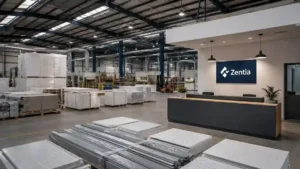
Zentia was a long-established North East manufacturer with a history stretching back more than 100 years. The company was recognised as a market-leading producer of acoustic ceiling systems.
Its products were used in commercial interiors, public buildings, offices, education settings, healthcare environments and other construction projects where ceiling performance, sound control and design mattered.
| Product Area | Description |
| Mineral Ceiling Tiles | Ceiling panels used for acoustic control and interior finishes |
| Suspension Grids | Framework systems that support suspended ceilings |
| Floating Ceiling Systems | Design-led ceiling features used in modern interiors |
| Complete Acoustic Solutions | Integrated ceiling products for commercial and construction use |
The administration of Zentia is significant because the company was not a small or unknown supplier. It had a recognised place in the UK construction materials market and employed a sizeable workforce in Gateshead.
How Many Jobs Were Lost After Zentia Entered Administration?
The administration led to the loss of 170 jobs, with most of the workforce made redundant after production stopped. This is one of the most serious consequences of the company’s collapse.
For employees, administration can bring sudden uncertainty over income, redundancy rights, future work and pension or benefit arrangements. Interpath said supporting affected staff would be a priority in the coming days.
Job losses of this scale also affect the local economy. In areas with strong manufacturing heritage, a business closure can impact households, suppliers, contractors, service providers and nearby communities.
| Impact Area | Likely Effect |
| Employees | Redundancy, income uncertainty and job search pressure |
| Local Economy | Reduced spending and loss of skilled manufacturing roles |
| Suppliers | Potential unpaid invoices and reduced future orders |
| Customers | Possible disruption to product supply |
| Construction Projects | Need to source alternative ceiling systems |
What Did Interpath Say About Zentia’s Administration?

Interpath confirmed that Will Wright and James Lumb were appointed as joint administrators to Zentia Limited and Zentia Profiles. The administrators said the companies had faced challenging trading conditions, including high energy prices and sales lower than forecast.
Appointment Of Joint Administrators
The appointment means the administrators now take control of the companies’ affairs. Their role is to manage the administration process, assess available options, support employees where possible and seek the best outcome for creditors.
Support For Affected Employees
James Lumb, managing director at Interpath and joint administrator, said Zentia had a rich history in the North East and described the administration as a tremendous shame. He also said the immediate focus would be supporting staff affected by redundancy.
A business recovery adviser explained the employee impact in practical terms:
“When a manufacturer enters administration, I always look first at the people affected. I would expect employees to need clear guidance on redundancy claims, notice pay, holiday pay and the next steps available through the formal process.”
Search For A Buyer And Asset Sale
Interpath also said it would seek a sale of the companies’ business and assets, including residual stock. Interested parties were encouraged to make contact as soon as possible.
Why Does Zentia’s Collapse Matter To The UK Construction Supply Chain?
Zentia’s collapse matters because it shows how financial distress can move through the construction supply chain. A manufacturer may be several steps away from the main contractor, but its products can still be essential for project delivery.
When a supplier stops production, contractors and distributors may need to find alternatives quickly. This can affect pricing, lead times, product specifications and project schedules.
The administration also raises questions about supplier risk. Contractors may need to check whether key materials are being sourced from financially stable businesses, especially on long-term projects.
Possible supply chain concerns include:
- Delays in sourcing acoustic ceiling tiles and suspension grids
- Price changes from alternative suppliers
- Specification changes on live projects
- Pressure on distributors holding existing stock
- Greater caution around specialist manufacturers
What Does The Administration Say About Pressure On UK Construction Manufacturers?

The Zentia administration reflects a wider pattern of pressure on UK construction manufacturers. Companies in this sector often face rising input costs, unpredictable demand, labour challenges, transport costs and pressure from customers to keep prices competitive.
Unlike some service-based businesses, manufacturers usually carry high fixed costs. Factories, machinery, energy, materials and skilled labour must be paid for even when sales slow down. This makes falling demand especially difficult.
| Pressure | Effect On Manufacturers |
| High Energy Prices | Raises production costs and reduces margins |
| Weak Sales | Damages cash flow and stock movement |
| Project Delays | Creates unpredictable order patterns |
| Material Costs | Increases working capital needs |
| Competitive Pricing | Limits ability to pass costs to customers |
For businesses like Zentia, the combination of high energy costs and weaker sales created a severe financial challenge. Even with shareholder support, the directors could not find a solvent route forward.
What Could Happen Next For Zentia’s Business And Assets?
The next stage will depend on whether the administrators can secure interest from potential buyers. A sale could involve the business, brand, machinery, intellectual property, residual stock, customer lists or other assets.
There is no guarantee that production will restart. However, administrators commonly explore whether parts of a business can be sold to recover value for creditors and preserve some commercial activity.
Potential outcomes include:
- Sale of remaining stock
- Sale of equipment or manufacturing assets
- Purchase of brand or intellectual property
- Acquisition of selected business assets by another supplier
- No going-concern sale if buyer interest is insufficient
The outcome will be important for employees, customers, suppliers and creditors.
What Lessons Can Construction Suppliers Learn From Zentia’s Administration?

Construction suppliers can learn several lessons from Zentia’s administration. The first is that turnover alone does not protect a company from insolvency. Zentia and Zentia Profiles had a combined turnover of more than £50m, yet trading pressure still became too severe.
The second lesson is the importance of monitoring cash flow and cost exposure. If energy, labour or material costs rise faster than sales, even established manufacturers can become vulnerable.
The third lesson is that sale or rescue options may narrow quickly. Directors often need to act early when signs of distress appear.
Practical steps for suppliers include:
- Reviewing exposure to energy price changes
- Monitoring customer demand and order pipelines
- Stress-testing cash flow forecasts
- Checking whether contracts allow fair price adjustments
- Maintaining early communication with lenders and stakeholders
How Does Zentia’s Administration Reflect Wider Challenges In The Building Products Sector?
The building products sector is closely tied to construction confidence. When developers, contractors or clients reduce activity, suppliers can feel the impact quickly.
Acoustic ceilings are often linked to commercial interiors, refurbishments and fit-out work. If these markets slow, manufacturers may face reduced volumes. At the same time, they must continue paying for production facilities and operational overheads.
The collapse also shows how historic businesses can still be exposed to modern trading shocks. Zentia’s long North East history did not shield it from rising costs, weaker demand and limited rescue options.
What Should Contractors And Suppliers Watch After Zentia’s Administration?
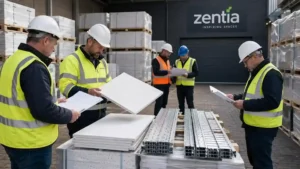
Contractors, suppliers and distributors should watch for updates from the administrators about asset sales, remaining stock and customer arrangements. Those with live projects involving Zentia products may need to check availability and consider alternative specifications.
They should also review their wider supplier base. If one specialist manufacturer has faced these pressures, others may be experiencing similar difficulties.
Important checks include:
- Whether specified products are still available
- Whether warranties or technical support are affected
- Whether replacement products meet project requirements
- Whether costs or lead times have changed
- Whether key suppliers show signs of financial distress
Conclusion
The Zentia construction company administration is a major development for the UK building products sector. It shows how high energy costs, weak sales and supply chain pressure can affect even long-established manufacturers with strong market recognition.
With 170 jobs lost and production stopped in Gateshead, the human and commercial impact is significant. The next focus will be on employee support, asset sales and whether any part of the business can attract buyer interest.
For the wider construction industry, Zentia’s administration is a reminder that supplier stability, cost control and early financial planning remain essential in a difficult market.
FAQs About Zentia Construction Company Administration
What Is Zentia Known For In The UK Construction Sector?
Zentia is known for manufacturing acoustic ceiling solutions, including mineral ceiling tiles, suspension grids and floating ceiling systems for commercial and construction projects.
Why Did Zentia Enter Administration?
Zentia entered administration after facing high energy costs, weaker-than-forecast sales and difficult trading conditions. The directors were unable to secure a solvent outcome.
Who Are The Administrators For Zentia Limited And Zentia Profiles?
Will Wright and James Lumb from Interpath were appointed as joint administrators to Zentia Limited and Zentia Profiles.
How Many Employees Were Affected By Zentia’s Administration?
The administration resulted in the loss of 170 jobs, with the majority of the workforce made redundant after production ceased.
Has Zentia Stopped Production?
Yes. Production at the companies’ two Gateshead sites has ceased following the administration.
Is Zentia’s Business Being Sold?
The administrators are seeking a sale of the companies’ business and assets, including residual stock. The final outcome depends on buyer interest.
What Does Zentia’s Administration Mean For The Construction Supply Chain?
It highlights the pressure on specialist construction suppliers and may cause customers to review product availability, alternative suppliers and supply chain risk.