

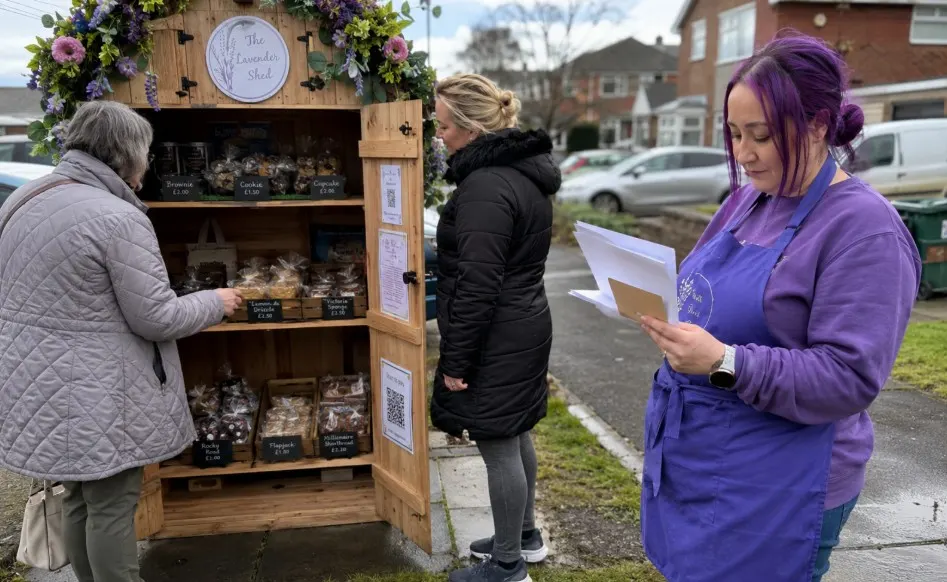
The UK cake sheds business trend continues growing in 2026, with many home bakers turning sheds, porches, and small outdoor spaces into micro-businesses.
While some report earnings of £500 to £1,000 per week, increased council scrutiny and licensing discussions have raised concerns about the sector’s future. Despite regulatory uncertainty, strong local demand, social media marketing, and flexible working continue driving growth.
Key Takeaways:
- Cake sheds remain one of the UK’s fastest-growing home-based food trends.
- Some bakers earn between £500 and £1,000 per week.
- Social media platforms help drive customer growth.
- Food business registration is mandatory before trading.
- Street trading licence requirements vary by council.
- Food safety, allergen labelling, and insurance remain essential.
- Future growth may depend on local regulations.
What Is Driving the UK Cake Sheds Business Trend in 2026?
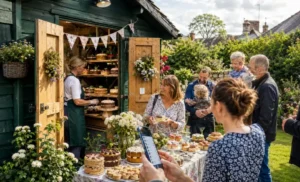
The popularity of cake sheds reflects broader changes in consumer behaviour. Following years of growing interest in supporting local businesses, many consumers are actively seeking alternatives to large retailers. Cake sheds provide a personal, community-driven shopping experience while offering fresh homemade products.
Unlike traditional bakeries, cake sheds require relatively low startup costs. Many bakers operate directly from their home kitchens and use existing garden structures to create small retail spaces. This significantly reduces overhead expenses while allowing owners to maintain flexible working hours.
The trend has also benefited from changing attitudes towards entrepreneurship. Many individuals are seeking additional income streams or lifestyle businesses that fit around family commitments, making cake sheds an attractive option.
“Community-based food enterprises are becoming increasingly important to local economies because they combine entrepreneurship with neighbourhood engagement,” notes a UK small business development adviser.
As a result, cake sheds have evolved from a niche concept into a recognised part of the UK’s small business landscape.
Why Are Cake Shed Businesses Becoming So Popular Across the UK?
Several factors explain why cake sheds are appearing in villages, towns, and suburban neighbourhoods throughout the country.
Key Growth Factors
- Strong demand for locally produced food.
- Flexible working opportunities for parents and carers.
- Low startup costs compared with traditional retail premises.
- Social media visibility and viral marketing potential.
- Growing interest in supporting independent businesses.
- Ability to test business ideas before opening a bakery.
For many operators, the appeal extends beyond financial rewards. Customers often become regular visitors, creating a strong sense of community around the business. Some cake shed owners report that customers travel from neighbouring towns after seeing daily menu updates online.
This combination of convenience, personal connection, and entrepreneurial opportunity has helped sustain momentum behind the UK cake sheds business trend.
Are UK Cake Sheds Really Making £500 to £1,000 Per Week?
Reports from successful operators suggest that weekly revenues of £500 to £1,000 are achievable. However, headline figures do not always reflect actual profitability.
Revenue varies considerably depending on location, product range, customer loyalty, and marketing effectiveness. Many successful operators dedicate between 20 and 40 hours per week to baking, packaging, stock management, and customer communication.
Financial Snapshot of a Typical Successful Cake Shed:
| Item | Weekly Estimate |
| Gross Revenue | £500 – £1,000 |
| Ingredients | £150 – £300 |
| Packaging | £20 – £50 |
| Utilities | £15 – £40 |
| Marketing | £0 – £30 |
| Estimated Profit Before Tax | £300 – £700 |
The figures demonstrate that while strong profits are possible, cake sheds require significant effort and careful cost management. Many operators reinvest earnings into equipment upgrades, refrigeration units, packaging improvements, and product development.
Success often depends on building a loyal customer base rather than relying solely on occasional visitors.
What Regulations Could Put the UK Cake Sheds Business Trend Under Pressure?
As the sector expands, regulators and councils are paying closer attention to how cake sheds operate. This has created uncertainty among business owners, particularly regarding licensing requirements.
Food Business Registration and Hygiene Ratings
Anyone selling food prepared at home must register as a food business with their local authority at least 28 days before trading. Environmental Health Officers may inspect premises and assign a food hygiene rating.
Food safety requirements typically include:
- Proper allergen labelling.
- Safe food storage.
- Temperature control procedures.
- Protection from contamination.
- Record keeping and hygiene practices.
“Food safety compliance is not optional. Customers must be able to trust that products are prepared, stored, and labelled correctly,” explains a food safety compliance specialist. Maintaining high standards can also enhance consumer confidence and strengthen business credibility.
Street Trading Licences, Local Councils and Possible Fines
The most significant concern for many cake shed operators involves street trading regulations. Some councils are reviewing whether certain cake sheds should require street trading licences, particularly when businesses operate from highly visible roadside locations.
Regulatory Considerations in 2026:
| Requirement | Potential Impact |
| Food Business Registration | Mandatory |
| Food Hygiene Inspection | Likely Required |
| Allergen Labelling | Mandatory |
| Public Liability Insurance | Strongly Recommended |
| HMRC Tax Records | Mandatory |
| Street Trading Licence | Depends on Local Council |
| Planning Permission | Situation Dependent |
Because council policies differ, operators are increasingly seeking clarification before investing heavily in expansion. This remains one of the most important issues affecting the future of the sector.
How Are Social Media, Digital Payments and AI Changing Cake Shed Businesses?
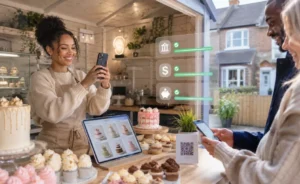
Technology has become a major growth driver for modern cake shed businesses. Social media platforms often function as the primary marketing channel, replacing traditional advertising methods.
TikTok videos showcasing freshly baked products can generate substantial local interest, while Instagram allows bakers to build visual brand identities. Facebook community groups remain highly effective for announcing new product releases and opening times.
Digital payment options have also transformed operations. While honesty boxes remain common, many operators now provide QR codes, bank transfers, and card payment solutions to improve convenience and reduce losses.
Artificial intelligence is beginning to influence the sector as well. Some bakers use AI tools to generate design ideas, create promotional images, brainstorm new products, and improve social media content planning.
These technologies are helping small operators compete more effectively without significant marketing budgets.
What Practical Challenges Do Cake Shed Owners Face Beyond Licensing?
Although licensing discussions dominate headlines, everyday operational challenges often have a greater impact on long-term success.
Food storage becomes particularly important during warmer months, especially for products containing fresh cream, custard, or dairy-based fillings. Security concerns also arise because many cake sheds operate on self-service principles.
Other common challenges include managing inventory, preventing food waste, maintaining consistent quality, and balancing workload with family responsibilities.
“Many people focus on the revenue figures, but successful operators invest significant time in compliance, packaging, customer communication, and quality control,” says a local enterprise adviser.
Competition is also increasing as more bakers enter the market. Differentiation through unique products, seasonal offerings, and excellent customer service is becoming increasingly important.
Can Cake Sheds Survive Tighter UK Council Scrutiny in 2026?
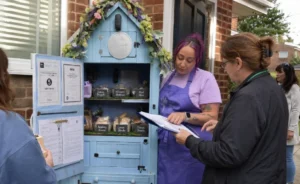
Current evidence suggests that the cake shed sector is unlikely to disappear. However, operators may need to adapt to evolving regulatory expectations.
Most councils recognise the economic and social value these businesses bring to local communities. The debate centres primarily on ensuring fair regulation rather than eliminating the sector altogether.
Businesses that proactively comply with food safety standards, maintain accurate records, secure appropriate insurance, and engage with local authorities are likely to be in a stronger position moving forward.
The outcome may ultimately depend on whether councils can balance public protection with support for small-scale entrepreneurship.
What Should New Cake Shed Owners Do Before Starting a Home Baking Business?
Anyone considering entering the market should focus on compliance and sustainability from the outset.
Essential Preparation Steps:
- Register as a food business: Register with your local council before trading.
- Complete food hygiene training: Gain the necessary food safety knowledge and certification.
- Implement allergen labelling procedures: Ensure customers receive clear allergen information.
- Obtain suitable insurance cover: Protect the business against potential risks and liabilities.
- Establish record-keeping systems for HMRC: Maintain accurate financial and tax records.
- Research local street trading policies: Check whether additional permissions or licences apply.
- Create secure payment options: Offer safe and convenient payment methods for customers.
- Develop a social media marketing strategy: Build awareness and attract local customers online.
Starting with a strong compliance framework can reduce future risks while helping build customer trust. Taking these steps early may also make it easier to respond if local regulations change.
Conclusion
The UK cake sheds business trend remains one of the most fascinating small business movements of 2026. Despite concerns surrounding licensing and council scrutiny, strong community support, social media growth, and entrepreneurial demand continue to drive expansion.
While regulatory challenges may reshape how some operators trade, cake sheds are likely to remain an important part of the UK’s local food economy for years to come. Success will increasingly depend on balancing creativity, compliance, and customer trust.
Frequently Asked Questions
Do cake shed owners need to register with their local council?
Yes. Anyone selling food prepared at home must register as a food business with their local authority at least 28 days before trading.
Can homemade cakes be sold from a front garden in the UK?
In many cases, yes. However, operators should check local council policies regarding street trading, planning requirements, and food business regulations.
What food hygiene rating does a cake shed need?
There is no mandatory minimum rating, but achieving a high food hygiene rating can improve customer confidence and business reputation.
Are cake sheds allowed to use honesty boxes?
Yes. Many cake sheds operate successfully using honesty boxes, although digital payment methods are becoming increasingly popular.
Do cake shed owners need insurance?
Public liability insurance is strongly recommended to protect both the business owner and customers in case of incidents or claims.
Can a cake shed sell fresh cream cakes?
Yes, provided appropriate refrigeration, food safety controls, and storage procedures are in place to prevent contamination and spoilage.
Do cake shed earnings need to be reported to HMRC?
Yes. Income generated from cake shed sales must be declared to HMRC, and accurate financial records should be maintained.