

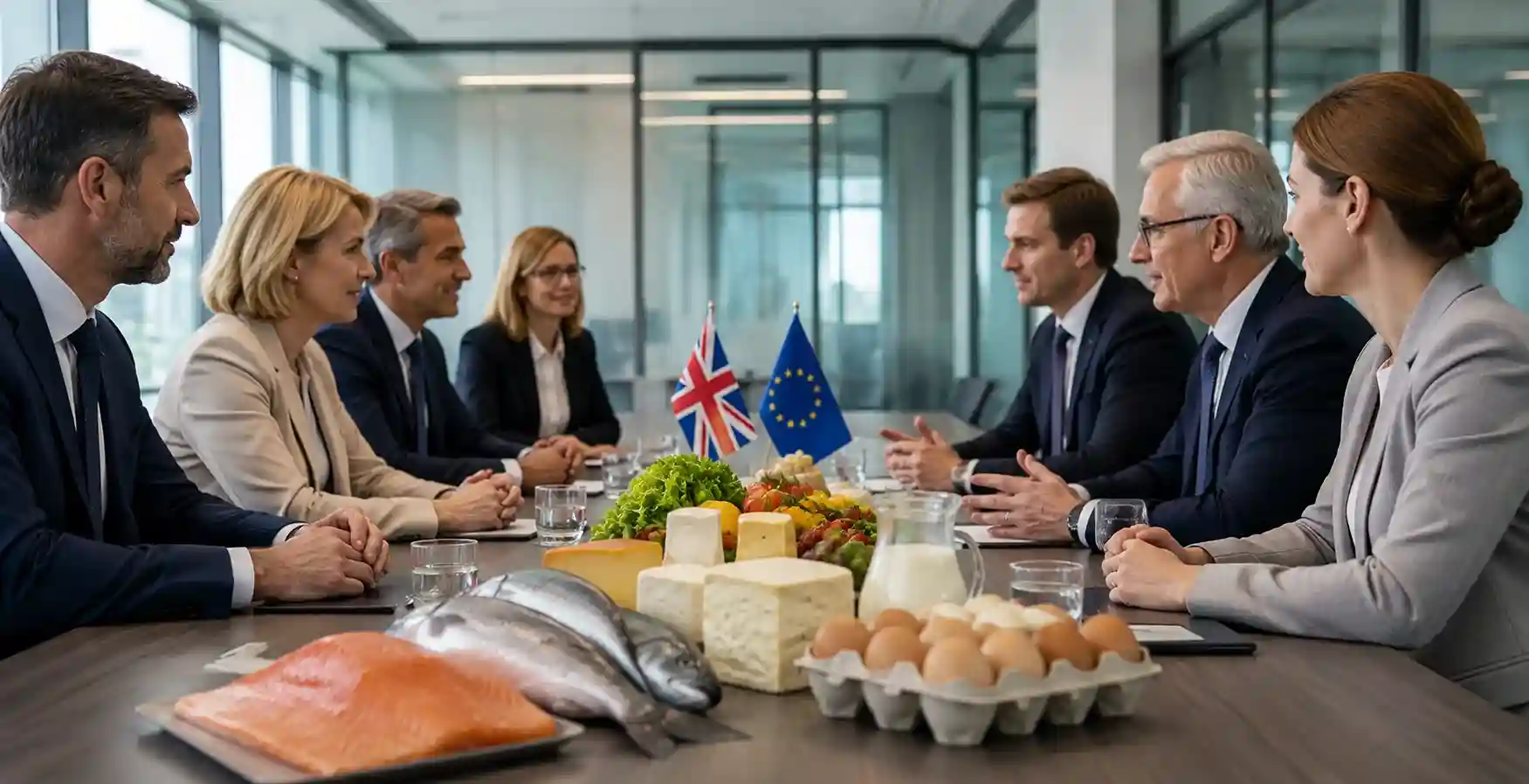
The UK EU Food Trade Deal is set to end many of the Brexit-era barriers that have made exporting food to Europe more expensive and complicated for British businesses.
The agreement, expected to take effect from mid-2027, will remove many veterinary certificates, reduce border inspections, and simplify trade for products such as dairy, fish, eggs and fresh red meat.
It also aims to ease the movement of goods between Great Britain and Northern Ireland, helping businesses save time and reduce compliance costs.
Key Takeaways:
- The deal will significantly reduce food export paperwork.
- Many veterinary certificates will no longer be required.
- Border checks on several food products will be reduced.
- Dairy, fish, eggs and red meat exporters are among the biggest beneficiaries.
- Northern Ireland trade processes will become simpler.
- The government estimates the agreement could add £5.1 billion annually to the UK economy.
- Businesses should begin preparing for the planned 2027 implementation date.
What Is the New UK EU Food Trade Deal and Why Does It Matter?
The UK EU Food Trade Deal is a sanitary and phytosanitary (SPS) agreement designed to simplify the movement of food and agricultural products between the UK and the European Union.
Following Brexit, British exporters faced extensive paperwork, health certificates, and border inspections when sending products to EU countries. These requirements increased costs, caused delays, and discouraged many smaller businesses from continuing to trade internationally.
The new agreement aims to reduce these obstacles by aligning certain food safety and regulatory standards. As a result, businesses on both sides of the Channel will experience smoother trade processes.
The Background Behind Brexit Food Trade Barriers
Before Brexit, food products moved freely between the UK and EU without customs declarations or veterinary checks. Once the UK left the single market, exporters had to comply with new regulations.
These changes introduced:
- Export health certificates.
- Veterinary inspections.
- Additional customs paperwork.
- Border control procedures.
- Product labelling requirements.
For many exporters, these measures significantly increased operating costs and administrative burdens.
Why the Agreement Represents a Major Reset in UK-EU Relations?
The agreement is widely viewed as one of the most important developments in UK-EU trade relations since Brexit. It demonstrates a willingness from both sides to work together on practical solutions that benefit businesses and consumers.
Rather than reopening broader Brexit debates, the focus is on reducing friction where both parties share similar food safety standards.
How Does the Agreement Bring an End to the Brexit Sausage Wars?
The phrase “Brexit sausage wars” became a symbol of the trade disputes that followed Brexit. The disagreements centred on restrictions affecting the movement of certain meat products between Great Britain, Northern Ireland and the EU.
The new arrangement effectively resolves many of these concerns by reducing SPS-related barriers and simplifying certification requirements.
For exporters, this means:
- Fewer delays at borders.
- Lower compliance costs.
- Reduced administrative complexity.
- Easier movement of meat and processed food products.
The agreement is particularly significant because meat products have often faced some of the strictest post-Brexit controls.
Which Food Products Will Benefit from the New Trade Rules?
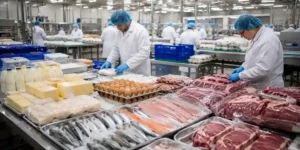
A wide range of products are expected to benefit from the agreement.
Products Receiving the Biggest Reduction in Border Controls
The following sectors are expected to see substantial improvements:
| Product Category | Expected Benefit |
| Dairy Products | Reduced paperwork and inspections |
| Cheese | Easier market access |
| Eggs | Simplified certification |
| Fish and Seafood | Faster border processing |
| Fresh Red Meat | Fewer veterinary requirements |
| Processed Meat | Reduced administrative burden |
Products That May Still Face Certain Restrictions
Not every product will receive complete exemptions from checks.
Some goods may still require controls due to:
- Biosecurity concerns.
- Regulatory differences.
- Third-country import requirements.
- Transitional arrangements for specific agricultural products.
The government has indicated that products imported from countries outside the UK and EU may continue to face stricter inspections.
What Changes Will UK Food Exporters See from 2027?
The most noticeable benefit for businesses will be the reduction in paperwork.
Exporters currently spend considerable time and money obtaining certificates and preparing documentation for every shipment. Under the new agreement, many of these requirements will disappear.
Comparison of Trade Requirements
| Requirement | Post-Brexit System | New Agreement |
| Veterinary Certificates | Required for many products | Largely removed |
| Physical Checks | Regular inspections | Significantly reduced |
| Customs Documentation | Extensive | Simplified |
| Border Delays | Common | Expected to decrease |
| Administrative Costs | High | Lower |
Businesses could benefit through:
- Faster delivery times.
- Improved supply chain reliability.
- Reduced export costs.
- Better competitiveness within EU markets.
- Increased confidence when expanding internationally.
A logistics specialist described the issue clearly:
“In my experience working with food exporters, the biggest challenge has never been product quality—it has been the paperwork. Businesses have spent years navigating forms, certificates and inspections that added cost without adding value. This agreement could remove a significant barrier for companies looking to trade confidently with Europe again.”
This perspective reflects the frustrations many exporters have faced since Brexit and explains why the agreement has been welcomed across the industry.
How Will the Deal Impact Northern Ireland Trade Arrangements?
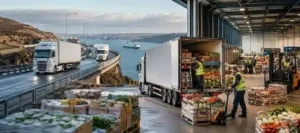
Northern Ireland has remained one of the most complex aspects of post-Brexit trade.
The Windsor Framework introduced special arrangements designed to avoid a hard border on the island of Ireland while maintaining access to the EU market.
Under the new food trade deal:
- Certain health labels will no longer be required.
- Food shipments from Great Britain will move more easily.
- Administrative burdens for supermarkets will decrease.
- Supply chains will become more efficient.
Northern Ireland Trade Comparison
| Area | Current Position | Expected Change |
| Health Labels | Required on some products | Reduced requirements |
| Food Movement | Additional procedures | Simplified processes |
| Retail Supply Chains | Complex administration | Greater efficiency |
| Compliance Costs | Higher | Lower |
For retailers and producers operating across the UK, these changes could significantly improve operational efficiency.
Why Have Exporters and Logistics Companies Welcomed the Agreement?
Industry groups have consistently argued that post-Brexit bureaucracy has created unnecessary challenges.
One frequently cited issue has been the cost of export health certificates, which can reach up to £200 per shipment.
The Cost of Brexit-Era Bureaucracy
Many exporters have reported the following:
- Increased documentation requirements.
- Longer delivery times.
- Higher compliance costs.
- Greater risk of shipment delays.
- Reduced profitability.
Real-World Challenges Faced by Exporters
In some cases, transport companies have had to prepare dozens of pages of paperwork for a single shipment.
A freight industry professional explained the situation this way:
“I have seen consignments delayed because of a single missing document, despite the goods fully meeting regulatory standards. The complexity created uncertainty for businesses, especially smaller exporters that lacked dedicated compliance teams.”
Stories like these help explain why many businesses stopped exporting to the EU altogether after Brexit.
Government estimates suggest around 16,000 companies ceased exporting because of excessive administrative requirements.
How Much Could the UK Economy Gain from the New Food Trade Deal?
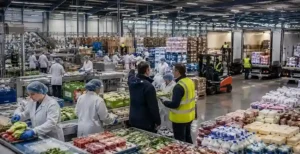
The government believes the agreement could add approximately £5.1 billion annually to the UK economy.
Several sectors could benefit:
- Farming.
- Food manufacturing.
- Logistics.
- Retail.
- Hospitality.
Potential economic advantages include the following:
- Increased export volumes.
- Job creation.
- Greater investment.
- Stronger supply chains.
- Enhanced business confidence.
For small and medium-sized enterprises, the agreement could reopen opportunities that became financially difficult after Brexit.
Businesses that previously found EU exports too costly may once again consider international expansion.
What Rules and Checks Will Still Remain in Place?
Although the agreement represents a major improvement, it does not completely eliminate all trade controls.
Certain checks will continue to protect public health and biosecurity standards.
Areas likely to retain oversight include:
- Imports from non-EU countries.
- Disease prevention measures.
- Biosecurity controls.
- Specific agricultural products.
- Certain pesticide and fungicide approvals.
Businesses should therefore avoid assuming that all paperwork will disappear entirely.
Instead, the agreement should be viewed as a substantial reduction in bureaucracy rather than complete deregulation.
What Should Food Producers and Exporters Do Before the 2027 Launch?

With implementation expected in mid-2027, businesses have time to prepare.
Practical steps include:
- Monitoring official government guidance.
- Reviewing current export procedures.
- Identifying potential EU growth opportunities.
- Updating compliance processes.
- Training staff on new requirements.
Companies that prepare early may be best positioned to benefit once the new rules take effect.
Many exporters that paused European operations may also wish to assess whether market re-entry becomes commercially viable under the new framework.
What Does the Future Hold for UK EU Food Trade?
The agreement could represent a turning point for the UK-EU food trade.
By reducing administrative barriers while maintaining high food safety standards, both sides stand to benefit from more efficient commercial relationships.
For exporters, the deal creates opportunities to rebuild customer relationships, expand sales and improve competitiveness in one of the world’s largest consumer markets.
While some regulatory challenges will remain, the direction of travel appears focused on greater cooperation and practical solutions rather than additional trade friction.
Conclusion: Is the UK EU Food Trade Deal a Turning Point for Exporters?
The UK EU Food Trade Deal has the potential to transform food exports between Britain and the European Union.
By removing many of the checks, certificates and administrative requirements introduced after Brexit, the agreement addresses some of the most significant concerns raised by exporters over recent years.
From dairy and seafood to eggs and red meat, businesses across the food supply chain are expected to benefit from reduced bureaucracy, lower costs and faster border processing. The agreement also brings welcome improvements for Northern Ireland trade and could provide a substantial boost to the wider UK economy.
Although some controls will remain, the deal marks a major step towards smoother UK-EU trade and may encourage thousands of businesses to explore European export opportunities once again.
FAQs
When will the UK-EU food trade deal take effect?
The UK government is working towards a mid-2027 implementation date, subject to final agreement details and regulatory preparations.
What are SPS checks in food trade?
SPS checks are sanitary and phytosanitary inspections that ensure food, plants and animal products meet health and safety standards.
Will exporters still need veterinary certificates?
Many veterinary certificate requirements are expected to be removed for covered products under the new agreement.
How does the agreement affect Northern Ireland businesses?
It simplifies the movement of food products from Great Britain to Northern Ireland and reduces certain labelling requirements.
Which food sectors are likely to benefit most?
Dairy, seafood, eggs, fresh red meat and processed food producers are expected to benefit significantly.
Will border inspections disappear completely?
No. Some inspections and biosecurity controls will remain, particularly for certain products and third-country imports.
Can small businesses start exporting to the EU more easily?
The reduction in paperwork and compliance costs should make EU exports more accessible for many smaller businesses.
Could the deal help reduce food prices?
Lower trade costs and fewer supply chain disruptions may help reduce pressure on food prices over time.